Our House by Madness
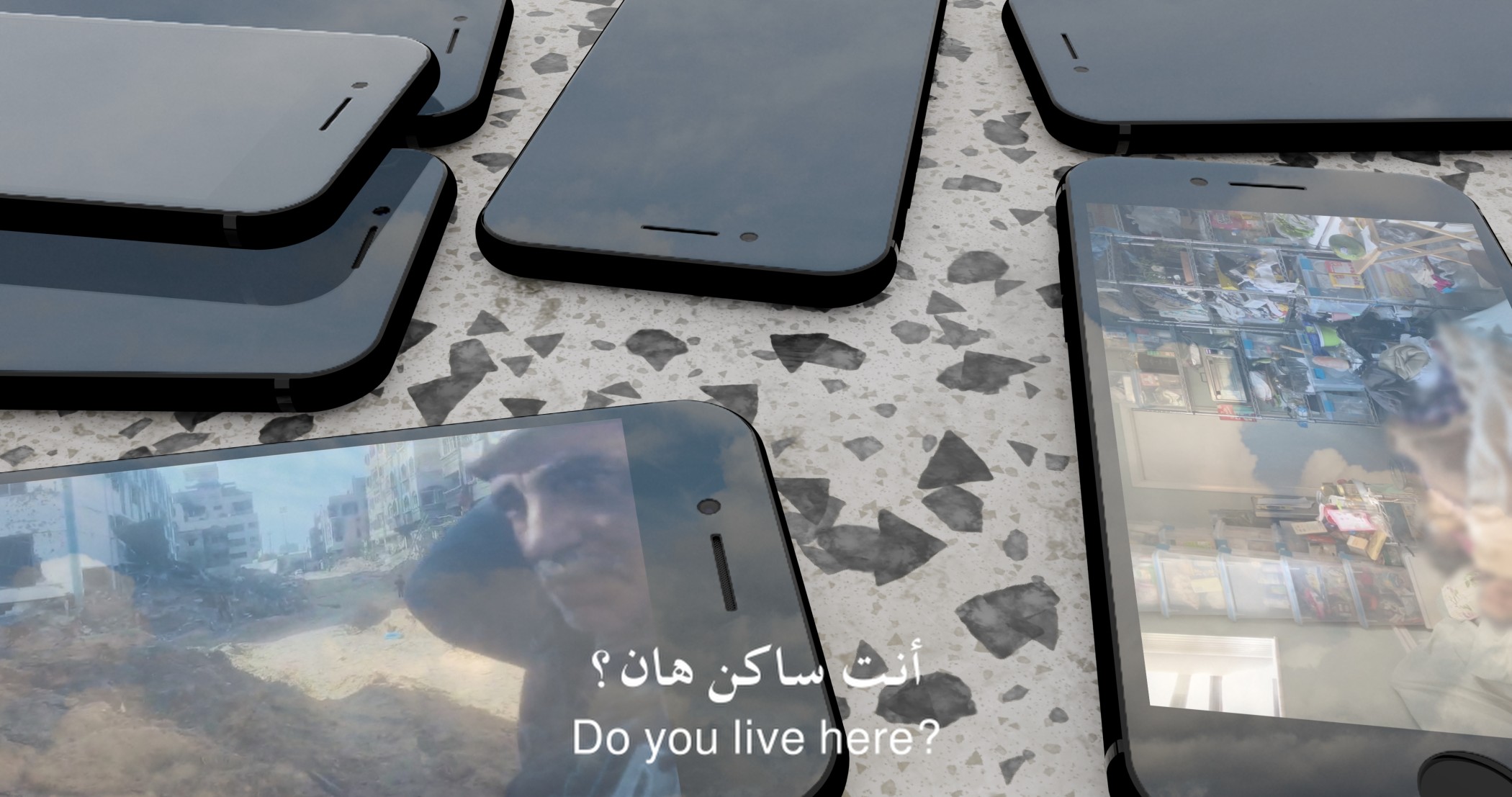
The film follows a Palestinian woman and her aging mother, now resettled in the United States, as they navigate life within a single room, surrounded by towers of hoarded objects and bins of salvaged materials. Sharing a bed and a makeshift kitchen at its foot, they attempt to reconstruct a sense of care and containment while also facing pressure from the rest of the family, who owns the house, to organize the space. Isolated within the room, my aunt reveals that she made her first YouTube Short about the destroyed home back in Gaza, pairing footage of the ruins with the song “Our House.” The hope of going viral becomes a fleeting act of online mourning.
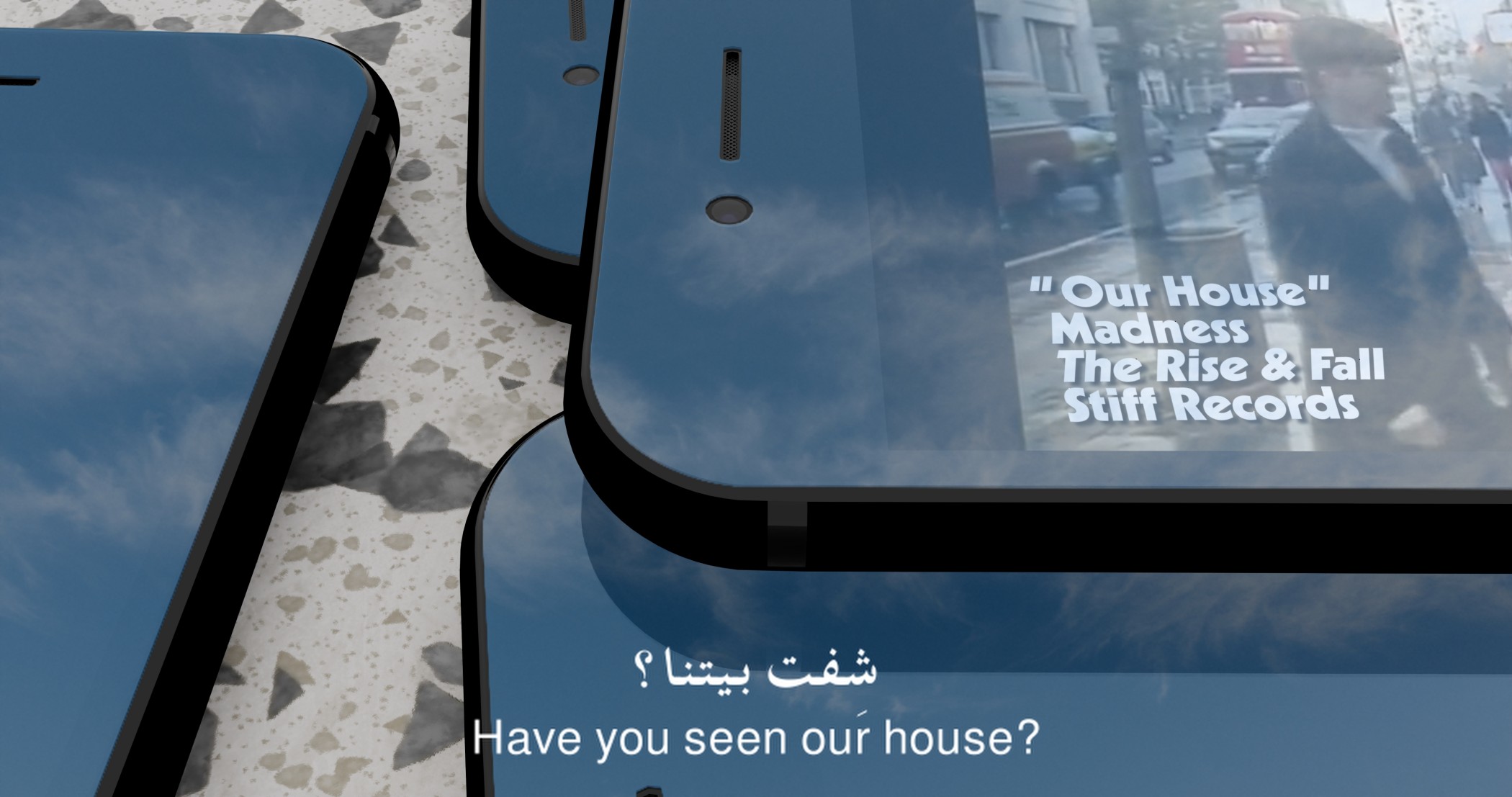
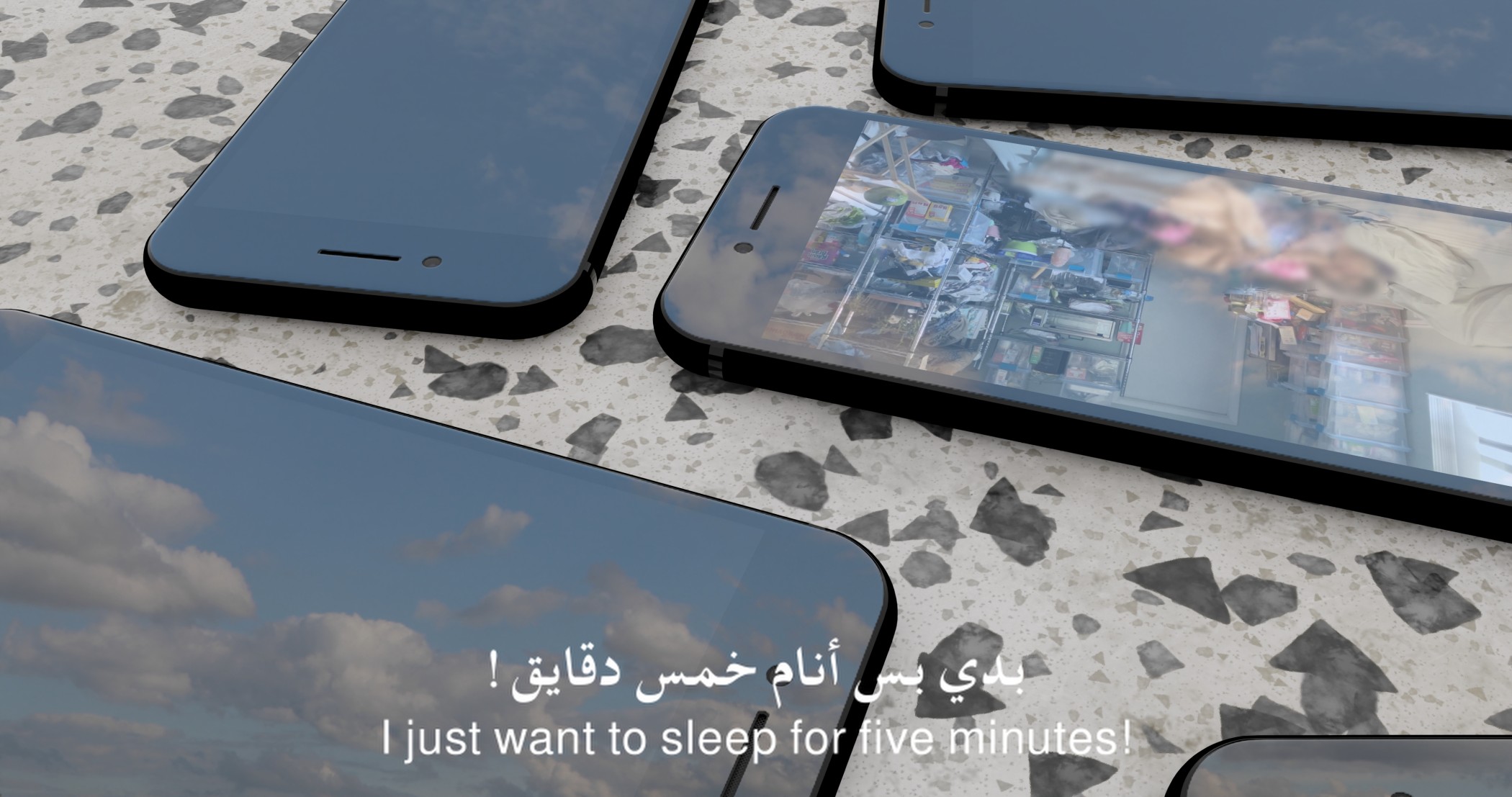
In the film, “Madness” registers as anger, grief, and the psychological effects of displacement. It approaches the domestic space as a site where trauma and tenderness coexist—where rebuilding becomes a form of endurance shaped by alienation.
The film closes with an excerpt from Syrian poet Nizar Qabbani’s Trilogy of the Children of Stones (1982), reflecting on Palestinian persistence amid enduring international isolation.